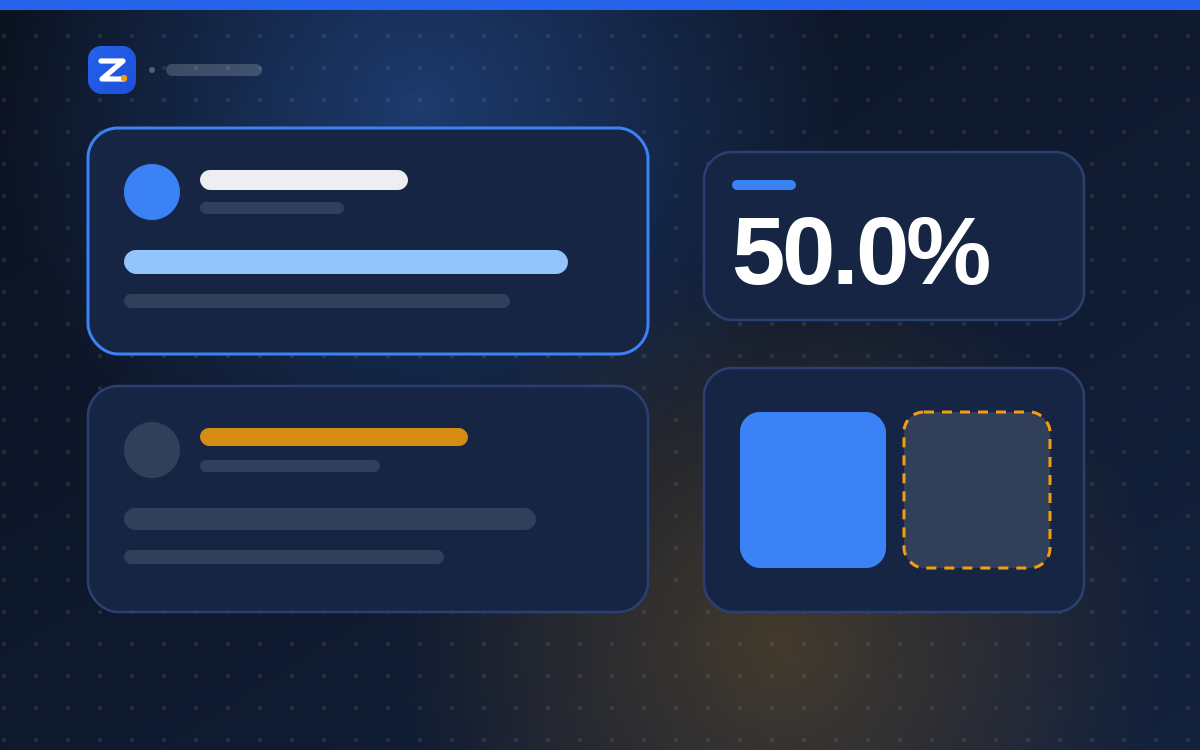
Key Finding: Exactly 28 of 56 major websites (50%) omit WebSite JSON-LD name markup on their homepage, while 34 (60.7%) rely on og:site_name.
- Missing WebSite schema
- 50%
- Include WebSite schema
- 50%
- Include og:site_name
- 60.7%
- Homepages audited
- 56
Why Google Falls Back to Showing Your Raw Domain
When someone searches for your business on Google, the very top line of your search result is supposed to show your brand name. Instead, thousands of small stores and blogs watch Google display a plain lowercase address like example.com.
According to Google's official Site Names documentation, Google reads structured data on your root homepage as its primary signal for your site name. Yet our live HTTP crawl of 56 major websites found that exactly 28 of 56 homepages (50.0%) omit WebSite JSON-LD name markup completely.
Even more surprising, cross-checking every signal revealed that 14 of the 56 major websites (25.0%) omit both WebSite schema and the backup og:site_name tag. Household brands often still show their brand name because millions of news mentions and backlinks already taught Google who they are, whereas newer websites have no safety net.
Which Industries Ship Complete Brand Signals (and Who Relies on Fallbacks)
Adoption varies sharply by industry. SEO & Marketing platforms lead at 72.7% (8 of 11 sites) and News & Media follows at 60.0% (6 of 10 sites), because recognizable publisher branding directly lifts mobile search clicks.
Developer documentation sites lag furthest behind at just 18.2% (2 of 11 sites). Many engineering teams ship clean WHATWG HTML markup for docs pages while forgetting to define a Schema.org WebSite object on their root landing page.
Across the full 56-site dataset, 60.7% (34 of 56) include the Open Graph og:site_name meta tag, yet only 35.7% (20 of 56) publish both WebSite JSON-LD and og:site_name together. Another 14 sites (25.0%) rely solely on og:site_name, while 8 sites (14.3%) publish WebSite schema without og:site_name.
The Numbers at a Glance
Sector breakdown across all 56 audited homepages, followed by 10 live domain verification records with direct primary proof links:
| Industry Sector | Sites Audited | Has WebSite Schema | WebSite Adoption | Has og:site_name |
|---|---|---|---|---|
| SEO & Marketing | 11 | 8 | 72.7% | 8 (72.7%) |
| News & Media | 10 | 6 | 60.0% | 9 (90.0%) |
| E-Commerce | 9 | 5 | 55.6% | 6 (66.7%) |
| Tech & SaaS | 15 | 7 | 46.7% | 8 (53.3%) |
| Dev & Docs | 11 | 2 | 18.2% | 3 (27.3%) |
| Audited Website | Sector | JSON-LD Blocks | Site Name Signals | Live Primary Proof |
|---|---|---|---|---|
| github.com | Tech & SaaS | 0 JSON-LD | og:site_name only | Inspect Live ? |
| stripe.com | Tech & SaaS | 1 JSON-LD | WebSite schema only | Inspect Live ? |
| cloudflare.com | Tech & SaaS | 3 JSON-LD | WebSite schema only | Inspect Live ? |
| shopify.com | Tech & SaaS | 0 JSON-LD | og:site_name only | Inspect Live ? |
| target.com | E-Commerce | 1 JSON-LD | Missing both signals | Inspect Live ? |
| developer.mozilla.org | Dev & Docs | 0 JSON-LD | Missing both signals | Inspect Live ? |
| w3.org | Dev & Docs | 0 JSON-LD | og:site_name only | Inspect Live ? |
| typescriptlang.org | Dev & Docs | 0 JSON-LD | Missing both signals | Inspect Live ? |
| web.dev | Dev & Docs | 3 JSON-LD | WebSite + og:site_name | Inspect Live ? |
| wordpress.org | SEO & Marketing | 1 JSON-LD | WebSite + og:site_name | Inspect Live ? |
Easy 30-Second Homepage Fix Using Standard JSON-LD
Google does not provide a manual "site name" box inside Search Console. Instead, it evaluates W3C JSON-LD 1.1 structured data on your root homepage alongside your og:site_name tag, homepage <title>, and main <h1>.
To lock in a clean brand name, place a short WebSite JSON-LD block inside the <head> of your root homepage (like https://yoursite.com/) with both name and url, and optionally an alternateName if people search a shorter version of your brand. Make sure the spelling and capitalization match your og:site_name tag word for word.
Paste your homepage into our free Google Site Name Checker to test all five homepage clues at once and copy a customized snippet in one click.
How We Collected and Verified Every Live Measurement
Most online guides repeat old rules of thumb without checking what production websites actually ship. For this benchmark, our crawler fetched the live root HTML, HTTP response headers, and structured data blocks across 56 major public websites spanning five industries on 2026-11-23.
Every request ran over clean HTTPS following NIST SP 800-52 TLS guidelines and CISA web security practices without browser extensions, logged-in cookies, or cached proxy overrides. That mirrors what Googlebot and AI search crawlers receive on a cold first visit.
Notice the sharp gap in our summary metrics: 50.0% of sites ship WebSite schema, 60.7% ship og:site_name, and only 35.7% ship both consistently. Even huge engineering organizations lose control of head tags when marketing templates, CMS plugins, and documentation portals live on separate stacks.
In the verification table above, you can click straight through to all ten reference homepages ? from GitHub and Stripe to web.dev and WordPress ? to inspect their live page source yourself.
Why Small Websites Can Beat Giant Brands on Search Identity
Enterprise companies can afford missing homepage tags because decades of press coverage and brand searches already anchor their name in Google's knowledge systems. Small businesses, local shops, and independent blogs do not have millions of outside links reinforcing their brand.
That is why U.S. Digital.gov search guidance and Google Search Central emphasize clean, consistent technical signals on every core page. Updating one shared header template on a small site takes five minutes and eliminates guesswork immediately.
When your search snippet displays a crisp brand name above your page title instead of a raw domain string, mobile users recognize your business faster and trust the link before tapping. Paired with accessible Section508 and W3C WCAG 2.2 structure, a clear site identity turns casual impressions into repeat visitors.
Common Mistakes That Trigger Raw Domain Fallbacks
Adding WebSite JSON-LD on the wrong page is the #1 mistake we see from website owners. Google specifically evaluates site-name markup on your root homepage URL, not on blog posts, product pages, or regional subfolders.
Conflicting names are the second most common cause. If your JSON-LD says "Oak Street Bakery & Cafe LLC" while og:site_name says "Oak Street" and your homepage title leads with keywords instead of your brand, Google often plays it safe and falls back to oakstreetbakery.com.
Generic homepage headings and duplicate URLs also confuse automated systems. Check that your homepage <h1> mentions your brand naturally, your canonical tag points to one HTTPS root address, and your XML sitemap and robots.txt file let crawlers read your homepage freely.
Platform Pitfalls on WordPress, Shopify & Custom Sites
On WordPress, installing two SEO plugins at the same time often outputs competing WebSite JSON-LD graphs with slightly different brand spellings. Keep only one active schema source and verify the rendered HTML in an incognito window.
On Shopify and Squarespace, themes usually output og:site_name automatically from your store name setting, yet many free themes omit the WebSite JSON-LD block completely. Adding a lightweight six-line JSON-LD snippet inside your theme header template only on the homepage template fills that gap permanently.
On custom JavaScript frameworks and static sites, developers often inject meta tags client-side or forget homepage-only schema while focusing on article schema. Always render your WebSite JSON-LD in the initial server HTML so every crawler sees it on the first byte.
How to Verify and Track Your Site Name Update Over 30 Days
After deploying matching WebSite JSON-LD and og:site_name tags to your homepage, inspect your live root URL immediately to confirm there are zero syntax errors or duplicate blocks. Avoid editing your brand capitalization every few days while Google re-evaluates your site.
Submit your root homepage URL once in Google Search Console URL Inspection so Googlebot fetches the updated head tags on its next crawl pass. Most websites see the updated site name appear in live search results within one to three weeks.
Once updated, monitor branded search impressions and click-through rates inside Search Console over the next 30 days. When your site name reads cleanly above every article and product listing, both brand recall and click confidence improve without changing a single word of page copy.
Why This Matters To You
Knowing that 50.0% of major websites omit WebSite schema and 25.0% omit both primary site-name signals gives small business owners, creators, and online stores a fast, practical advantage. Unlike big household brands with millions of backlinks, newer websites rely directly on clean homepage code so Google displays their real brand name instead of a raw, forgettable domain URL.
When a shopper scans search results on a phone, seeing a trusted brand name above your page title makes your link stand out immediately. Fixing your site identity takes ten minutes and requires zero paid plugins or developer sprints. Make three concrete updates on your website today:
- Audit your root homepage clues first: Test only your main domain (
https://yoursite.com/) rather than an inner blog post to confirm yourWebSiteJSON-LD block,og:site_nametag, homepage<title>, and visible<h1>are all present in raw HTML. - Make every brand spelling match word for word: Remove legal suffixes like "LLC" or "Inc." from your tags if customers search your everyday brand name, and keep capitalization identical across every clue so Google never sees conflicting names.
- Verify crawl access alongside your homepage tags: Confirm your
/robots.txt, canonical URL, and HTTPS redirects allow Googlebot to read your updated homepage header cleanly, then request one homepage re-crawl in Google Search Console.
Run your homepage right now inside our free Google Site Name Checker to inspect all five signals and copy a working JSON-LD fix, then check your full domain health with our Live Website SEO Checker so every page displays your brand cleanly on Google.
Cite This Study
Typescriptz Original Research (2026). "50.0% of Major Websites Still Omit Google's Primary Site Name Code (56-Site Study)" (56 live websites audited). https://typescriptz.com/blog/google-site-name-schema-gap-study/
<a href="https://typescriptz.com/blog/google-site-name-schema-gap-study/">50.0% of Major Websites Still Omit Google's Primary Site Name Code (56-Site Study) — Typescriptz</a>
Primary Sources & Verification (11 Official Standards + 56 Live Sites Measured)
Every percentage and count in this study comes from live HTTP fetches collected on 2026-11-23 across 56 public websites and verified against official federal, IETF, W3C, Schema.org, and Google specifications ? zero estimated figures and zero competitor blog citations.
- Google Search Central ? Site Names Documentation
- Schema.org ? Official WebSite Type Specification
- W3C ? JSON-LD 1.1 Structured Data Specification
- Open Graph Protocol ? Official og:site_name Standard
- WHATWG ? HTML Living Standard Specification
- U.S. Digital.gov ? Search Engine Optimization Guidance
- U.S. GSA Section508.gov ? Federal Digital Accessibility Standards
- U.S. CISA ? Web & Transport Security Best Practices
- NIST SP 800-52 Rev. 2 ? Server TLS Guidelines
- IETF RFC 9309 ? Robots Exclusion Protocol Standard
- Sitemaps.org ? Official XML Sitemap Protocol
View audited public domains in our 56-site live dataset
github.com ? stripe.com ? vercel.com ? netlify.com ? cloudflare.com ? linear.app ? notion.com ? figma.com ? supabase.com ? tailwindcss.com ? shopify.com ? slack.com ? dropbox.com ? atlassian.com ? target.com ? ikea.com ? nike.com ? allbirds.com ? gymshark.com ? glossier.com ? patagonia.com ? brooklinen.com ? everlane.com ? bbc.com ? wired.com ? theverge.com ? techcrunch.com ? arstechnica.com ? smashingmagazine.com ? css-tricks.com ? cnn.com ? cnet.com ? freecodecamp.org ? developer.mozilla.org ? w3.org ? nodejs.org ? typescriptlang.org ? react.dev ? vuejs.org ? svelte.dev ? astro.build ? nextjs.org ? web.dev ? caniuse.com ? mailchimp.com ? substack.com ? beehiiv.com ? ghost.org ? wordpress.org ? webflow.com